Imagine a destination where the salty breeze of the South China Sea carries the scent of freshly fried fish crackers through streets lined with both futuristic steel structures and centuries-old wooden heritage homes. This is Kuala Terengganu, a city that has gracefully transitioned from a modest fishing village into a thriving state capital without losing its soulful connection to Malay traditions. Whether you are a history enthusiast, a beach lover, or a foodie on a quest for authentic flavors, the city offers a multifaceted experience that remains deeply rooted in the hospitality of its people.
Navigating the various Kuala Terengganu attractions allows visitors to witness a unique cultural synthesis. The city serves as the gateway to the East Coast’s heritage, where craftsmanship like batik printing and boat making are not just hobbies but a way of life. As development continues to flourish, new landmarks have emerged, creating a skyline that balances the spiritual and the secular in a way few other Malaysian cities can claim.
Architectural Landmarks and Spiritual Splendor
One of the most striking features of the city is its dedication to Islamic architecture and history. The Islamic Heritage Park, or Taman Tamadun Islam, stands as a testament to this devotion. Located on Pulau Wan Man, this theme park is unlike any other in the region. It houses 22 meticulously crafted replicas of famous Islamic monuments from around the globe, including the Dome of the Rock from Palestine, the Taj Mahal from India, and the Alhambra from Spain. Wandering through the park feels like a whirlwind journey across continents and eras.
Adjacent to the monument park is the Crystal Mosque, a structure made of steel, glass, and crystal that appears to float on the surface of the Terengganu River. Its sleek, modern design contrasts beautifully with the more traditional Masjid Abidin, also known as the White Mosque, which has stood as a central place of worship for generations. For those who prefer a view from the water, the TTI River Cruise offers a relaxing way to see these architectural gems while navigating the small islands that dot the river mouth.
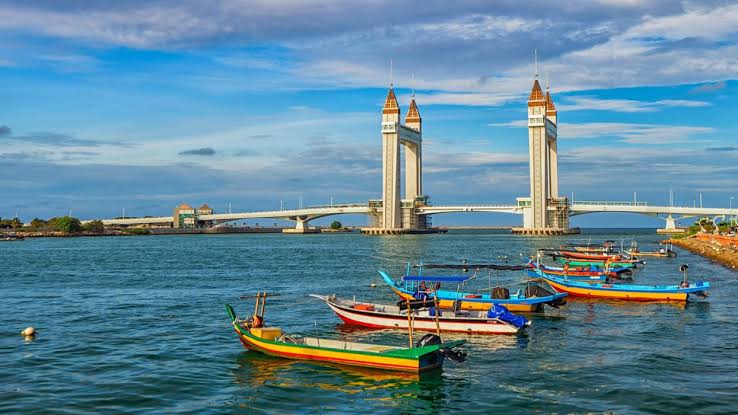
The Modern Pulse: The Terengganu Drawbridge
The city’s silhouette was forever changed with the completion of the Terengganu Drawbridge. As the first of its kind in Southeast Asia, this bridge connects Kuala Terengganu to Kuala Nerus and features four towering minaret-like structures. Visitors can ascend to the Skybridge to enjoy a panoramic view of the coastline and the bustling river below. At night, the bridge is illuminated with vibrant lights, making it a favorite spot for photographers and evening strollers.
Just a short distance from the bridge is the KTCC Mall, providing a modern shopping experience for those looking to escape the tropical heat. This area represents the rapid development of the Kuala Terengganu City Centre, blending commercial convenience with the scenic beauty of the waterfront.
Heritage, Crafts, and Local Markets
To truly understand the heartbeat of the city, one must visit Pasar Besar Kedai Payang. This central market is a sensory explosion where the vibrant colors of Terengganu batik and songket meet the earthy aromas of local spices and traditional snacks. It is the best place to find authentic handicrafts and silk garments that the state is famous for.
Nearby, the historic Chinatown or Kampung Cina offers a different aesthetic. Its narrow streets are adorned with colorful murals and bird-themed decorations, specifically in Turtle Alley, which serves as a creative reminder of the region’s marine conservation efforts. The area is also home to the Ho Ann Kiong Temple, the oldest Chinese temple in the city, showcasing the long history of multiculturalism in Terengganu.
For a deeper dive into the region’s past, the Terengganu State Museum provides an extensive look at local history, maritime culture, and royal traditions. The museum complex itself is an architectural marvel, designed based on the concept of a traditional Malay house, and is recognized as one of the largest museum complexes in Southeast Asia.
Sun, Sand, and Coastal Escapes
No trip to this coastal capital is complete without spending time on its golden beaches. Pantai Batu Buruk is the city’s most famous beach, where families gather for kite flying and horse-carriage rides. While the currents of the South China Sea are often too strong for swimming, the atmosphere is perfect for a relaxing evening walk.
If you are looking for a more laid-back vibe, head towards Pantai Teluk Ketapang or Pantai Tok Jembal. These areas are famous for their proximity to the airport and are lined with stalls serving local delicacies. For a touch of the exotic, the Seberang Takir area, often referred to as the Miami Beach of Terengganu, offers stunning views of the drawbridge and the open sea, making it a popular haunt for the younger crowd.
A Culinary Pilgrimage
The food in Kuala Terengganu is a major draw for visitors from all over Malaysia. The city is synonymous with Keropok Lekor, a traditional fish cracker snack. Kampung Losong is the recognized hub for this delicacy, where you can watch the crackers being made and buy them fresh and piping hot.
For breakfast, Nasi Dagang is the undisputed king. This dish of reddish rice steamed in coconut milk and served with a spicy tuna curry is a staple of the East Coast. Nasi Dagang Atas Tol is one of the most sought-after spots, often seeing long queues of hungry patrons. Another must-try is Ikan Celup Tepung (ICT), where various types of seafood are battered and deep-fried to perfection. Warung Pok Nong is perhaps the most iconic location for this, offering a seaside dining experience that captures the essence of Terengganu’s culinary soul.
The Timeless Appeal of the East Coast
Kuala Terengganu manages to feel like a bustling city and a sleepy coastal town all at once. It is a place where you can spend your morning exploring high-tech science centers like the Terengganu Science & Creativity Centre and your afternoon watching traditional boat builders at work on Pulau Duyong. The city does not ask you to choose between the past and the future; instead, it invites you to enjoy how they coexist. Whether you are navigating the river on a cruise or getting lost in the alleys of a street art lane, the charm of this city lies in its ability to remain authentically itself amidst a changing world.